A residential locksmith can help with a Vista home lockout after confirming your identity, location, and authority to enter. Before calling, identify the exact door and decide which work you’ll approve. These checks help prevent confusion without assuming any price, arrival time, or opening method.
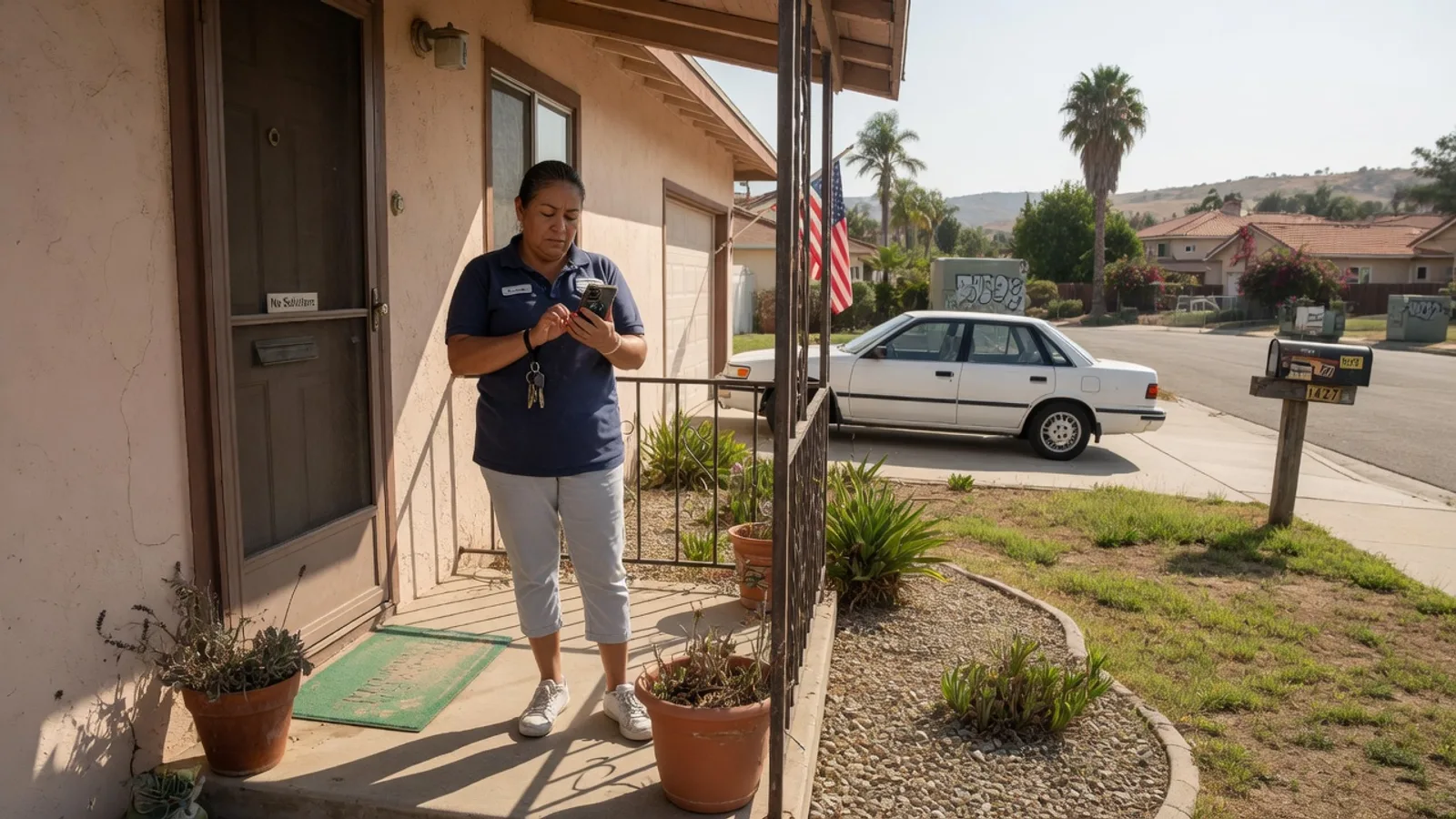
Confirm the address, entrance, and unit
Start with the complete Vista address shown on a reliable document. Don’t depend on a map pin alone. A pin might identify the property while leaving the correct building, unit, or entrance unclear.
Give the locksmith the street address and any unit designation. Then describe the door that’s locked. It might be the main entrance, a side door, a detached structure, or a private unit door inside a larger property. If several doors look alike, identify a visible feature that doesn’t expose private security information.
Check whether your phone’s map displays the correct destination. If it doesn’t, explain the mismatch before the locksmith travels. You can also confirm where lawful visitor parking or property access begins. Don’t tell anyone to enter a restricted area without permission.
The type of lockout matters too. Explain whether the key is missing, inside the home, broken, or present but not working. Mention visible damage without guessing what caused it. If the door opens but the latch won’t release, say that plainly. Those details help the independent locksmith discuss the possible scope.
Our home lockout referral service connects Vista residents with licensed, independent local locksmiths. Swift Key San Diego doesn’t open doors or employ the locksmith. The matched professional confirms the location, authorization, available options, and price directly with you.
For broader local hiring guidance, read our Vista locksmith guide. It explains what to confirm when choosing a professional, while this checklist focuses on the immediate lockout call.
Check authorized spare keys and property contacts
Before approving locksmith work, check whether an authorized spare exists. Contact someone who has permission to hold or deliver it. That could be another resident, an owner, a property manager, or an approved local contact.
Don’t search for hidden keys in a way that damages property. Don’t enter a neighbor’s yard, shared utility area, or restricted space without permission. A lockout doesn’t create authority to cross another person’s property.
If you rent, review the contact instructions provided by the owner or property manager. Ask whether they have a lockout process, an authorized spare, or restrictions concerning lock changes. Swift Key San Diego can’t interpret your lease or override the property owner’s rules. The independent locksmith also needs a clear basis for entering or altering the property.
If you own the home with another person, contact them before authorizing broader work when practical. A simple opening request differs from changing hardware or affecting keys used by other residents. Confirm who may approve each part of the job.
A spare-key check can prevent unnecessary work, but don’t assume someone will be available. If no authorized key can be located, explain that when calling. Our guide on who to call after a house lockout helps separate locksmith work from property-management questions.
Avoid borrowing an unverified key or attempting forced entry. If a child, vulnerable person, fire, medical crisis, or another immediate danger is involved, contact the appropriate emergency service instead of treating the situation as a routine lockout.
Separate a private door from shared access
A Vista home lockout can involve more than one boundary. An apartment, condominium, or managed property may have shared access before the resident reaches a private front door. Treat those access points as separate issues.
Tell the locksmith whether you’re outside the property, inside a shared area, or standing at your private entrance. Don’t describe a shared gate as your own door. Access to a common entrance may be controlled by an owner, manager, association, or another authorized party.
A locksmith’s ability to work on your private lock doesn’t establish permission to open shared property. Ask the responsible property contact how you’re permitted to reach the unit. If another resident lets you through a shared entrance, confirm that doing so follows the property’s access rules.
The same distinction applies to garages, storage rooms, and detached spaces. Identify who controls the lock before requesting work. Possession of items inside doesn’t automatically explain your authority over the door itself.
If the private door has multiple locks, state which one is preventing entry. Don’t approve work on every lock simply because one isn’t opening. Ask the locksmith to inspect the situation and explain the proposed scope first.
For lockouts involving urgent circumstances but no immediate life-safety danger, our emergency locksmith referral page explains how we connect callers with independent local professionals. Availability and arrival timing must be confirmed with the matched locksmith. Swift Key San Diego doesn’t publish hours or promise a response window.
Keeping private and shared access separate protects everyone’s expectations. It also gives the locksmith a clearer request before any work begins.
Gather identification and proof of access
Expect the locksmith to confirm that you’re authorized to enter. Gather any identification and property documents you can access without entering the locked home. If your identification is inside, tell the locksmith before the visit rather than hiding that problem.
Possible documents depend on your situation and the professional’s verification process. Ask what the locksmith will accept. Don’t assume a photo, message, bill, lease, or digital record will be enough. Swift Key San Diego doesn’t set the independent locksmith’s authorization procedure.
If the address on your identification differs from the Vista property, explain why. A recent move, rental arrangement, caregiving role, or ownership change may require more context. Contact the owner or manager if their confirmation is needed.
Don’t ask the locksmith to skip verification because you’re in a hurry. Don’t pressure another resident to claim authority they don’t have. Clear identification protects the property and gives the professional a documented basis for deciding whether work may proceed.
California locksmith activity is regulated by the Bureau of Security and Investigative Services. You can check a company license or employee registration through the state’s license search. Ask the arriving professional for identifying details, then compare them with the state record.
Our full guide to locksmith identification and proof requirements covers common preparation issues. Exact requirements can vary by property and situation, so confirm them directly with the locksmith.
If authorization remains unclear, the locksmith may decline to open or alter the lock. Swift Key San Diego can make a referral, but it can’t establish ownership, occupancy, or permission for you.
Confirm the locksmith’s approved scope
Before work starts, ask the independent locksmith to describe the proposed task. A residential locksmith may open, repair, modify, rekey, or install home locks. Those are different services, and a lockout call doesn’t automatically authorize all of them.
Confirm which door and lock are included. Ask whether the proposed approach could affect the lock, door, frame, keys, or hardware. No opening method should be described as damage-free unless the locksmith has inspected the actual door and agrees to that scope.
Get the total proposed price from the professional before approving work. Swift Key San Diego doesn’t set prices, offer discounts, or promise free estimates. No verified Vista residential-locksmith price could be confirmed from the approved claims ledger. The locksmith performing the work is the proper source for the current price.
Ask how the price could change if the initial approach isn’t suitable. If the scope changes after inspection, pause and request a revised explanation and price. Don’t approve vague additions that you don’t understand.
A home lockout also doesn’t settle whether rekeying or replacement is appropriate. Rekeying changes a lock’s internal configuration, while replacement installs different hardware. No verified cost comparison or universal rule favoring either option is available in the approved claims ledger. Ask the locksmith to explain which choices apply to your lock and why.
If you lost a key rather than leaving it inside, mention that distinction. You may want to discuss access after the door opens, but approve that as a separate decision. Consider who else uses existing keys and whether a property owner must consent.
Confirm the professional’s name, company, and BSIS status before work begins. Then keep any invoice or written scope the professional provides. Any warranty terms come from that independent locksmith, not Swift Key San Diego.
When to call us
Call when a Vista home lockout requires a licensed residential locksmith and authorized spare-key options haven’t solved it. Swift Key San Diego will match you with an independent professional who confirms authorization, scope, price, and availability directly with you. Call us at (858) 400-4082 and we’ll connect you with a licensed local locksmith.