A safe leaving a San Diego home or business creates two separate problems: access and handling. The right provider depends on whether it’s locked, anchored, upstairs, or simply awkward to move. Swift Key San Diego can match you with a licensed independent locksmith when lock work is involved, but the physical move may require a specialist safe mover or rigger.
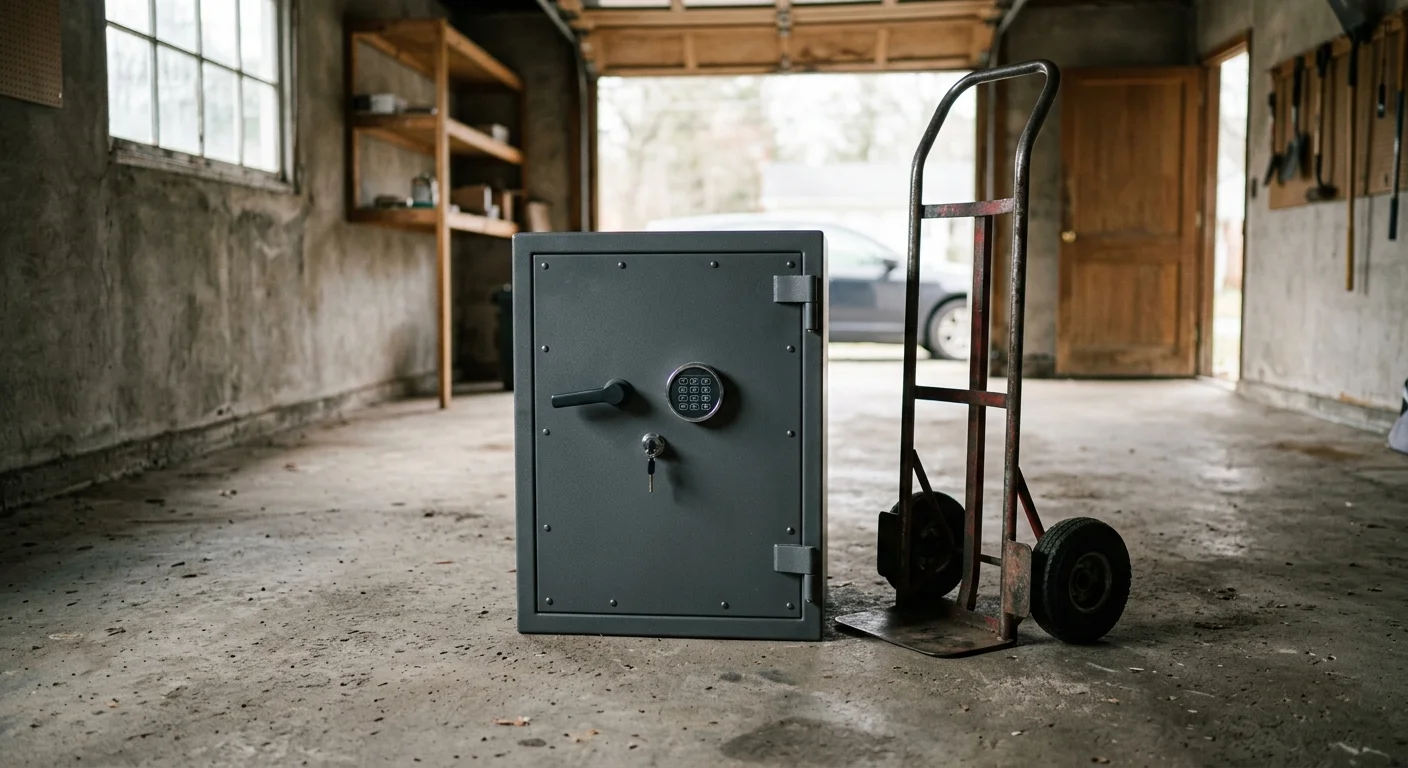
Why a safe is not a normal moving job
A safe isn’t just another heavy box. Its shape, access points, mounting method, and internal construction all affect how a provider approaches it. A standard furniture mover may decline the job once those details become clear.
Start by separating the work into distinct tasks. Opening a locked safe is locksmith work. Disconnecting it from a floor or wall is removal work. Moving it through a building and transporting it may be specialist moving or rigging work. One provider might offer more than one task, but don’t assume that from a general service description.
The setting matters too. A detached garage in Oceanside presents different access questions than a Mission Valley condominium. A National City storefront may involve shared parking or a public-facing entrance. An East County property may have exterior steps before the safe even reaches a doorway. Those details help determine which kind of professional should assess the job.
If the safe is locked, don’t treat moving as a substitute for opening it. Start with our safe opening service and explain what’s happening. You can also review the types of home safes locksmiths open before calling.
Don’t guess about the model, weight, or construction. Look for a label, manual, receipt, or manufacturer record. If you can’t confirm those details, say that plainly. Clear uncertainty gives the provider a better starting point than an unsupported estimate.
Weight, flooring and stairs
The route matters as much as the safe itself. Record each doorway width, hallway turn, landing, and step along the planned path. Include the final destination, not just the room where the safe currently stands.
Photograph the route from several angles. Show thresholds, flooring changes, handrails, low ceilings, and tight corners. For a commercial property, include loading access and any interior doors between the curb and safe. If there’s an elevator, ask the property manager what information and scheduling the building requires.
Floor loading needs a property-specific answer. No universal San Diego figure can be confirmed for every home, office, or safe. Construction, placement, and the exact safe all matter. A property owner, building manager, qualified structural professional, or local building department can help identify what must be checked.
Don’t rely on building age alone. Older and newer properties can both have site-specific conditions that aren’t visible in a listing or photograph. The provider should know whether the safe sits on a slab, an upper floor, a raised foundation, or another surface. If you don’t know, mark that detail as unconfirmed.
Stairs need their own description. Count the steps, note every turn, and photograph both ends. Mention loose coverings, narrow landings, gates, and doors that close across the route. Don’t remove trim, railings, or doors before the provider reviews the situation.
If you’re searching for how to move a gun safe, avoid treating a general video as a plan for your property. Ask the provider what model information, access measurements, and preparation details they need. Also ask how the safe’s contents should be handled before work begins. The correct method can’t be determined without the exact safe and route.
Anchored safes and what removal leaves behind
An anchored safe adds another scope question. First confirm that you own the safe or have authority to approve its removal. Tenants, employees, buyers, and property managers may need written permission from the owner before work begins.
Try to locate installation records or photographs. They may show whether the safe was attached through its base, back, or another point. Don’t invent an anchor type based on what’s visible around the cabinet. The actual attachment may not be clear until a qualified provider inspects it.
Ask what the removal scope includes. Depending on the installation, holes, marks, or unfinished areas may remain after the safe is detached. The exact result can’t be confirmed before the mounting points and surrounding material are assessed. Safe removal and surface repair may also be separate jobs.
Discuss these questions before accepting the scope:
- Who will detach the safe from the structure?
- Does the provider remove anchors or only the safe?
- Who handles flooring, wall, or concrete repairs?
- Must built-in shelving or trim be moved first?
- Will the safe stay on the property or be transported elsewhere?
- Who confirms that the destination can accept it?
Don’t assume an anchored safe is ready to move once the door opens. Lock access, anchoring, transport, and repair are separate parts of the project. Get each provider’s responsibility stated clearly.
For a rented home, condominium, or commercial suite, include the property manager early. Ask about building access, shared areas, elevator procedures, and restoration expectations. Those rules come from the property or responsible authority, so confirm them directly.
Who actually does this work
A safe removal service in San Diego may involve more than one trade. A licensed locksmith handles locksmith work, such as opening or addressing the lock. A specialist safe mover or rigger may handle the physical lift, route, loading, and transport. A separate repair professional may handle surfaces left after anchor removal.
Swift Key San Diego is a referral service. We match callers with licensed independent local locksmith professionals, but we don’t perform the work, employ technicians, own moving equipment, set prices, or provide warranties. You’ll contract with and pay the professional directly.
California locksmiths are regulated by the Bureau of Security and Investigative Services. You can check a locksmith company or worker through the state’s license search. Confirm the person’s current status and ask them to identify which part of the proposed work is locksmith service.
If the request concerns a business safe, tell the provider who has authority to approve access. A manager, tenant, landlord, and property owner may have different responsibilities. Our commercial locksmith service explains how we connect businesses with local locksmith professionals.
A “safe box locksmith” search can mix several needs together. Tell the referral service whether you need opening, lock work, detachment, transport, disposal, or some combination. A locksmith who opens safes may not offer moving. A mover may not perform locksmith work.
When comparing providers, describe the same scope to each one. Ask who will attend, what work they’ll perform, and what remains outside their scope. If anyone needs more information before answering, provide it instead of pressing for a guess.
What to sort out before anyone arrives
Good preparation begins with identity and access. Write down the safe’s manufacturer, model, exterior dimensions, and confirmed weight. If any detail is unknown, label it unknown. Photograph the safe with its door closed, its mounting area, and every part of the planned route.
Next, define the job in one sentence. For example: “Move an unlocked safe from a ground-level garage to another property,” or “Open an anchored office safe before a separate mover collects it.” That sentence helps keep opening, moving, and repair from becoming one vague request.
Confirm these details with the provider:
- Whether the safe is open, locked, or experiencing a lock problem
- Whether you have the key, combination, or other access method
- Whether the safe appears attached to a floor, wall, or cabinet
- The pickup and destination access conditions
- Doorway, hallway, stair, landing, and elevator measurements
- Parking, gate, loading, or property-management instructions
- Whether contents must be removed before the appointment
- Whether another professional will repair mounting surfaces
- Who has authority to approve opening and removal
If you need opening before transport, read our guide to safe opening costs in San Diego. It explains what to clarify for the opening portion, but it isn’t a price guide for moving or removal. Confirm every current charge directly with the professional before agreeing to the work.
Don’t schedule other trades around an assumed completion time. The required work can’t be confirmed until the safe, mounting, and route are understood. Tell painters, flooring installers, movers, or property managers that timing remains subject to the selected provider’s assessment.
San Diego County includes coastal, central, inland, East County, and South Bay locations. Give the full address and property type when you call. Exact site details matter more than a broad neighborhood name.
When to call us
Call when a safe is locked, its combination isn’t working, or locksmith service is needed before removal. If the request is only physical transport, say so clearly, since a specialist safe mover or rigger may be the right provider.
Call us at (858) 400-4082 and we’ll connect you with a licensed local locksmith.