Sometimes, but “universal” doesn’t mean every car. A universal car remote may handle the buttons on a compatible vehicle, yet it might not replace the electronic credential needed to start that vehicle.
What a universal remote really is
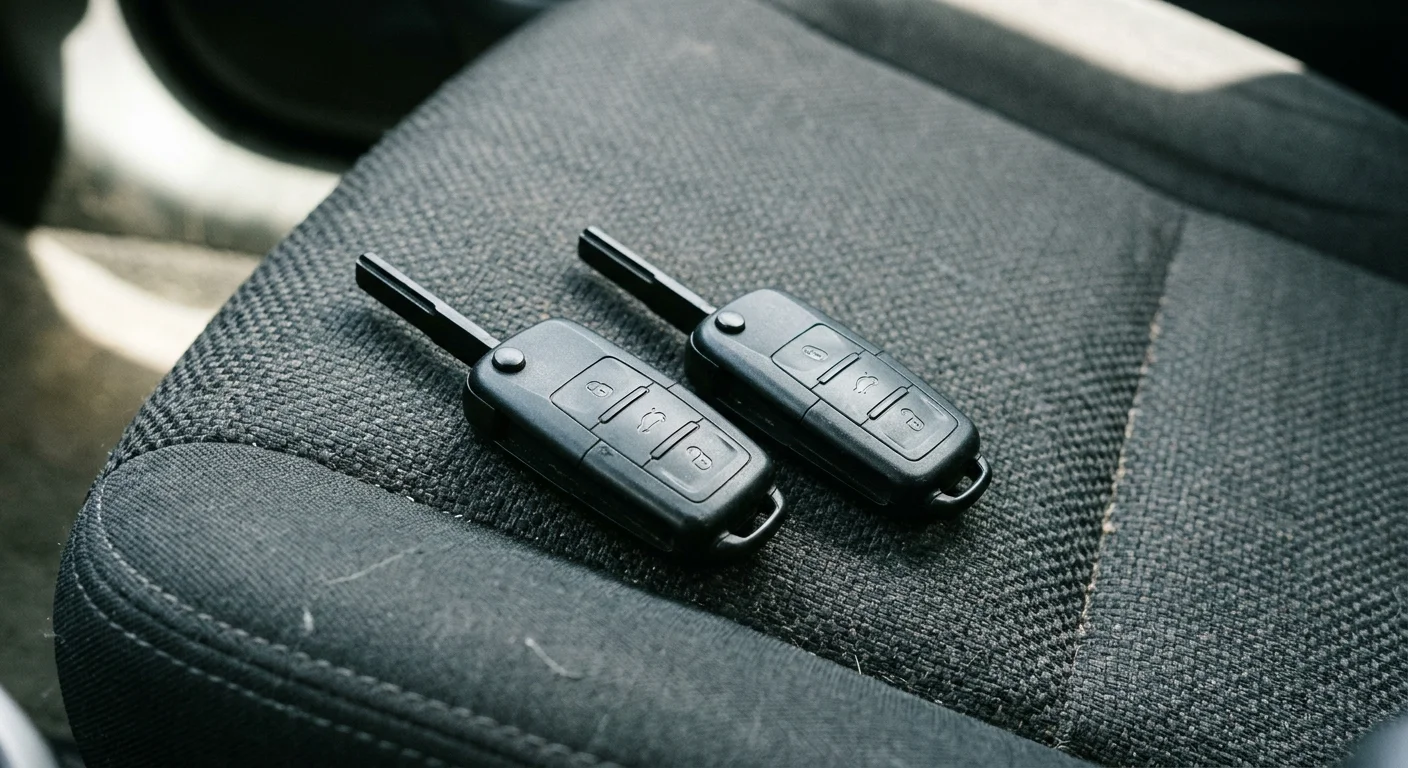
Start by separating three jobs that shoppers often group together. For this guide, the remote means the button-controlled portion used for functions such as locking and unlocking. A transponder or proximity key concerns the vehicle’s electronic start authorization.
Those parts might share one plastic case. That doesn’t make them interchangeable. A product advertised as a universal remote might address only the buttons. It shouldn’t automatically be treated as a replacement for every electronic function inside the original key.
This distinction matters when searching for universal remotes in San Diego. A listing might resemble your existing fob and still leave major compatibility questions unanswered. Matching the shell or button layout isn’t enough to confirm the complete job.
Write down what you need before shopping. Is the current remote damaged while the vehicle still starts? Have all keys been lost? Do you need a spare that can both operate the buttons and authorize starting? These are different requests.
Our approved sources don’t support a universal compatibility chart by make, model, or year. They also don’t verify programming procedures for individual vehicles. The vehicle manufacturer, dealer, product maker, or licensed automotive locksmith must confirm those details.
For a closer comparison of electronic key types, read our guide to transponder keys and smart keys. If the issue is specifically pairing a compatible device, our key fob programming referral service can connect you with a licensed local professional.
Where aftermarket remotes succeed
An aftermarket key fob is a reasonable candidate when its maker or seller confirms the exact application. That confirmation should cover your vehicle details and every function you expect from the device.
Don’t stop at a broad label such as “fits many vehicles.” Ask whether the listing covers the complete remote or only its outer shell. Confirm whether the product includes the parts needed for your requested functions. Then ask who will determine whether programming is possible before work begins.
A useful compatibility check should begin with the vehicle itself. Have the identifying details ready, along with the original key style when available. Photos of the existing key may help the provider understand what you have, but appearance alone doesn’t establish compatibility.
Define success before buying. If you only need lock and unlock buttons, say that. If you need a complete spare that also starts the vehicle, say that instead. Include any other buttons you expect to use. A vague request for a “universal fob” invites an incomplete answer.
San Diego County drivers also need to consider where the vehicle is parked. A car that still starts presents a different practical situation from one that can’t leave a driveway in Chula Vista, a garage in central San Diego, or a parking area in Oceanside. Ask whether the provider can evaluate the vehicle at its location, subject to that provider’s availability.
Keep the return policy and compatibility statement from the seller. They won’t guarantee programming, but they give you something concrete to review before the package is opened or altered.
Where they fail and why
Most disappointing purchases begin with an assumption. The buyer sees a familiar shape, matching buttons, or the word “universal” and expects full compatibility.
Treat those details as screening clues, not proof. The product still needs to match the exact vehicle and requested functions. The provider must also confirm that the vehicle can accept that device. We couldn’t verify a broad rule that applies across all makes and model years, so this page won’t invent one.
Failure can also mean different things. The buttons might not pair. Some requested buttons might remain unavailable. The remote portion might work while the vehicle still lacks the correct start authorization. A complete all-keys-lost situation may call for a different product than a damaged remote with a working key.
Online descriptions can make these differences hard to spot. Before paying, ask the seller or programmer to identify the product in plain language:
- Is this only a remote for button functions?
- Does it include a transponder or proximity component?
- Is every requested function supported for this exact vehicle?
- What happens if the vehicle rejects the product?
- Who is responsible for confirming compatibility?
Don’t accept a compatibility guarantee from Swift Key San Diego. We’re a referral service, not the product seller or locksmith performing the work. The independent professional evaluates the job, explains available options, and sets the price.
Be prepared for a dealer-only outcome. Our approved sources don’t identify which vehicles or years require that route, so we won’t publish a guessed list. A dealer or licensed locksmith familiar with the exact vehicle can confirm whether an aftermarket option is available.
Immobilizer and transponder limits
The biggest shopping mistake is treating the remote and start authorization as one question. Keep them separate, even when both parts sit inside the same housing.
Button operation answers one question: can the requested remote functions be paired? Start authorization answers another: will the vehicle recognize the electronic credential needed for starting? A positive answer to the first doesn’t confirm the second.
That’s why “the doors unlock” isn’t a complete test for a replacement key. The finished product must be checked against every function requested at the start of the job. If you need a complete spare, say that before anyone orders or programs a device.
California’s definition of locksmith work includes electronic cloning and programming of automotive keys and electronic operating devices. Locksmith licensing is handled by the Bureau of Security and Investigative Services, not the Contractors State License Board. You can check a provider’s status through the state’s DCA license search.
We couldn’t confirm technical procedures, programming equipment, or vehicle-specific immobilizer rules from the approved sources for this site. Those details should come from the vehicle manufacturer, the product maker, a dealer, or a licensed automotive locksmith after identifying the exact vehicle.
If every working key is gone, explain that immediately. Don’t describe the request as simple remote programming. The provider needs to understand that you’re seeking a complete usable key, not only replacement buttons.
Our car key replacement service is the better starting point when the problem includes a missing, damaged, or unusable key. It helps frame the request around the whole key rather than one electronic feature.
How to decide between aftermarket and OEM
Choose based on confirmed compatibility, required functions, and who stands behind the product. Don’t choose from the word “universal” alone.
First, list the outcome you need. Separate button functions from starting. Note whether you still have a working key. Include any missing or damaged components. This gives the seller and programmer a precise request.
Next, compare written answers from the aftermarket seller, vehicle dealer, and licensed locksmith. Ask each one to identify what’s included. Confirm whether the device covers every required function. Ask who supplies the product, who programs it, and who handles a compatibility problem.
OEM and aftermarket labels don’t provide a result by themselves. The correct option is the one a qualified source confirms for the exact vehicle and requested job. Some vehicles may leave no confirmed aftermarket path. In that case, the dealer may be the appropriate source.
Don’t let a low advertised figure settle the decision. This site has no verified market range for universal remote programming, so we won’t publish one. Product cost, programming cost, and any additional key work should be explained by the provider before you authorize the job. Our guide to key fob programming costs in San Diego explains which questions to ask without promising a fixed amount.
Drivers across the South Bay, East County, North County, and central San Diego face the same core decision. Verify first, buy second. Keep the seller’s written compatibility information, and make sure the person programming the device knows whether you need buttons, starting authorization, or both.
Swift Key San Diego doesn’t sell remotes, perform programming, set prices, or provide warranties. We connect callers with licensed, independent local locksmith professionals. You’ll contract with and pay the matched professional directly.
When to call us
Call when you can’t confirm compatibility, need a complete replacement key, or need universal key fob programming checked by a licensed locksmith. Call us at (858) 400-4082 and we’ll connect you with a licensed local locksmith.