No, you shouldn’t treat every door deadbolt as universally interchangeable. Before buying a replacement, compare the existing door preparation, hardware, and manufacturer requirements for the exact model.
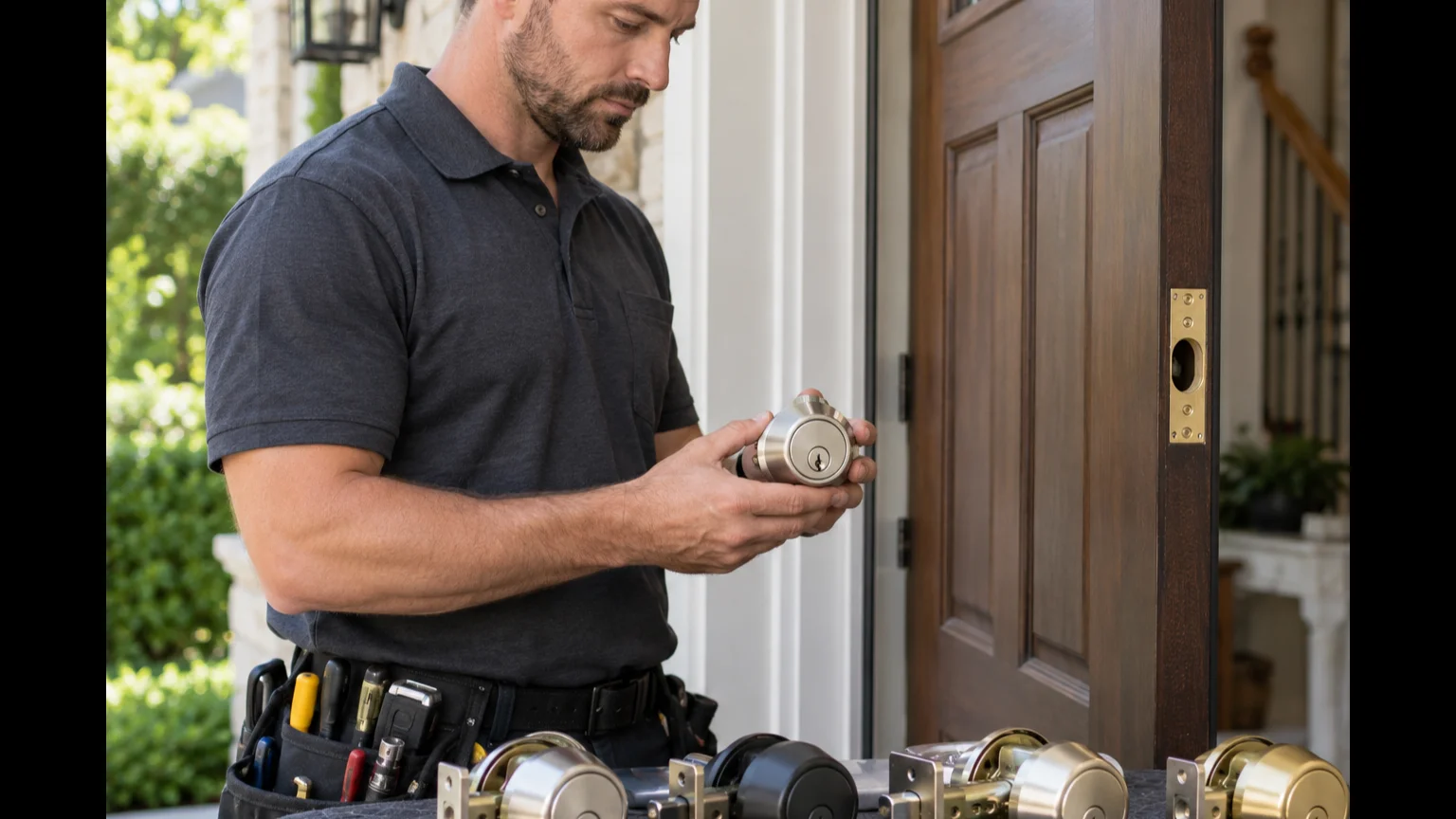
Why deadbolt dimensions aren’t always identical
The word “deadbolt” describes a broad hardware category, not one universal product. Two packages can look similar while listing different compatibility requirements. That matters when you’re replacing hardware on an already prepared front door.
This site’s approved research doesn’t include current manufacturer dimensions. We won’t publish a supposedly standard measurement without verified documentation. Check the installation sheet or product page for the exact deadbolt you’re considering. Compare those requirements with the existing door before purchasing anything.
Start by recording the manufacturer and model information you can find. Check the package, instruction sheet, and markings visible after authorized removal. Don’t rely on finish, key shape, or exterior appearance alone. Those details don’t confirm that the new hardware matches the prepared opening.
It also helps to separate product type from compatibility. A keyed deadbolt, thumb-turn model, or electronic option may have its own installation requirements. If you’re comparing broader styles, our guide to the types of deadbolts used in San Diego can help you organize the choices. The manufacturer remains the authority for a specific product’s fit.
People sometimes search for the “top lock” on a front door. Product listings may use several terms, so confirm that the item is labeled as a deadbolt by its manufacturer. A general search result isn’t enough to establish fit.
The safest buying rule is simple: matching appearance isn’t matching preparation. Keep the old hardware available until the selected replacement has been checked against the door.
Check the door preparation and backset
Door preparation is the starting point for deadbolt replacement compatibility. Your goal isn’t to guess a measurement. It’s to identify the existing openings and compare them with the exact manufacturer’s documentation.
Record the following details before choosing hardware:
- The shape and position of the opening through the door
- The opening along the door’s edge
- The distance identified as the backset
- The orientation of the door and existing latch
- Any visible model labels or markings
- The condition of the prepared openings
Use the measuring method shown by the manufacturer. Different diagrams may place labels or reference points differently. A number taken from the wrong points can lead to the wrong conclusion, even when the tape measure itself is accurate.
Don’t enlarge an opening simply because a package seems close. That changes the job from checking replacement compatibility to altering the door. The queue research for this page didn’t provide approved drilling specifications, so no drilling directions are given here.
San Diego County includes 67 cities, but a ZIP code doesn’t decide deadbolt fit. The individual door and selected product do. A front door in Encinitas should be measured by the same model-specific process as one in El Cajon.
If the door has no existing deadbolt preparation, read our guide about how to add a deadbolt to a front door. That is a different project from replacing hardware in existing openings.
Photographs can also help a professional review the situation. Capture both door faces, the door edge, the frame, and any labels. Include a wider image showing the full door. Avoid taking hardware apart if you can’t secure the property afterward.
Match the latch, strike, and door thickness
The door opening isn’t the only item to compare. The selected deadbolt’s documentation may also specify requirements involving the latch, strike, and door thickness. Treat each one as a separate compatibility check.
First, identify what came with the proposed deadbolt. Don’t assume the existing latch or strike belongs with new hardware because the finish looks similar. Compare the part labels and installation documentation. If a component’s compatibility isn’t stated, ask the manufacturer or a licensed locksmith before combining parts.
Next, measure door thickness using the product maker’s stated method. This page doesn’t provide a universal range because no current manufacturer specifications were supplied in the approved claims ledger. The product sheet should state what the model accepts and whether any different parts are required.
The frame side also deserves attention. Photograph the existing strike area and note visible damage, loose material, or previous alterations. Don’t treat a new deadbolt as confirmation that the existing frame preparation matches it. A locksmith can compare the entire opening with the chosen hardware.
Door movement matters during the assessment too. Tell the professional whether the bolt behaves differently when the door is open and closed. That observation helps describe the problem without assuming its cause.
Electronic deadbolts add model-specific questions. The approved research for this article doesn’t contain verified operating specifications. Check the manufacturer’s documentation for how a particular model operates, what components it requires, and whether it matches the prepared door.
If the hardware or preparation doesn’t match, lock replacement help may be the appropriate next conversation. Swift Key San Diego can connect you with an independent locksmith, but the locksmith evaluates the door and performs the authorized work.
Separate replacement from a new installation
A replacement starts with an existing prepared location. A new installation begins when the intended deadbolt location hasn’t been prepared. Keep those projects separate when describing the work or comparing options.
For a replacement, gather the existing hardware details first. Keep every removed component together and label which side of the door it came from. Record the product name if it appears anywhere. Then compare the door, latch, strike, and thickness information with the proposed replacement’s instructions.
A new installation requires a different assessment because the professional isn’t only matching existing openings. The selected location, door, frame, and hardware all need review. This article doesn’t provide drilling instructions or claim that every front door accepts every deadbolt.
An altered opening can blur the distinction. Extra holes, filler, adapters, or marks from earlier hardware may mean the job isn’t a simple swap. Don’t conceal those conditions when requesting help. Clear photographs and an accurate description give the matched locksmith better information before evaluating the door.
About 49.6% of homes in the city of San Diego were built before 1978, according to Census ACS information already verified for this site. That figure doesn’t reveal the age or condition of any particular door. It does show why a homeowner shouldn’t infer compatibility from the home’s location or appearance. The door may have been replaced, modified, or left unchanged. Confirm its present condition directly.
For work involving a new prepared location, see our deadbolt installation service. Swift Key San Diego is a referral service. We don’t drill doors, install hardware, set prices, or provide warranties. The licensed independent locksmith you hire handles the assessment and authorized work.
When a locksmith should measure the door
Ask a locksmith to measure when product documentation and the existing preparation don’t produce a clear match. Professional review also makes sense when parts are missing, labels can’t be identified, or earlier alterations complicate the opening.
Before the visit, prepare a short description. Say whether this is a replacement or new installation. Note whether the door currently closes, whether the deadbolt operates with the door open, and which product you’re considering. Share photographs of the door faces, edge, frame, latch, and strike. Don’t claim a measurement is exact if you aren’t confident about the reference points.
The matched locksmith should inspect the actual door before confirming compatibility. Ask which manufacturer document supports the proposed fit. If different hardware or door alterations are recommended, request a clear explanation before authorizing the work.
California locksmith activity is regulated by the Bureau of Security and Investigative Services. You can check a company license or employee registration through the California Department of Consumer Affairs license search. Swift Key San Diego matches customers with licensed independent local locksmith professionals. The customer contracts with and pays the professional directly.
Cost can’t be confirmed from the approved research for this page. Swift Key San Diego doesn’t set locksmith prices, and no verified market figure is available here. Ask the independent locksmith what sets the price, what work is included, and whether the amount could change after inspecting the door. Get those terms directly from the professional before approving work.
A careful measurement can prevent a compatibility guess from becoming an unwanted door modification. It also gives you a clear basis for comparing the proposed hardware with its published requirements.
When to call us
Call when the deadbolt documentation doesn’t clearly match your door, or when the opening needs professional measurement. The independent locksmith can assess replacement compatibility and perform authorized work.
Call us at (858) 400-4082 and we’ll connect you with a licensed local locksmith.