Tenant turnover in a commercial property presents a critical moment for every San Diego landlord and property manager. As one business moves out and another prepares to move in, a fundamental security question arises: what do you do about the locks? Rekeying isn’t just about handing over new keys; it’s a vital step to maintain security and peace of mind for everyone involved.
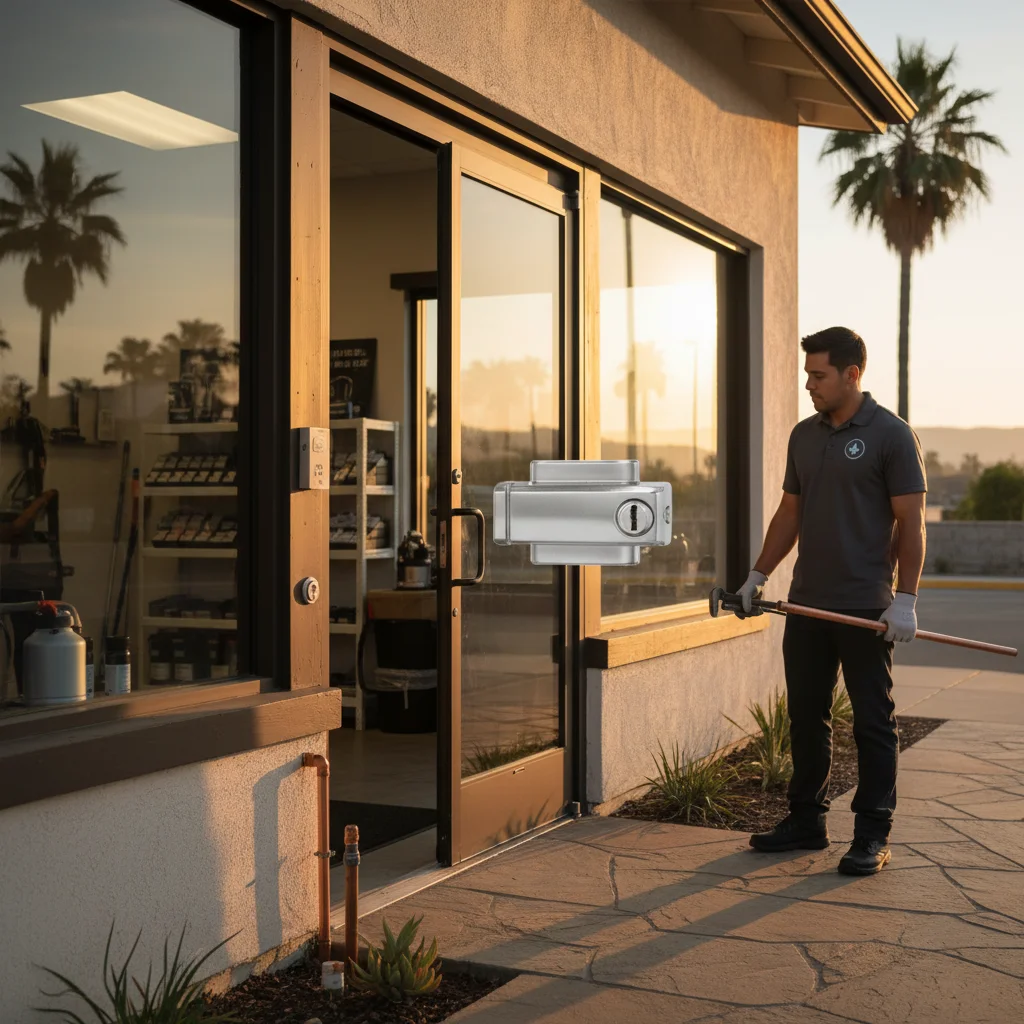
When rekeying beats replacing for commercial spaces
When a commercial tenant vacates, the risk of old keys still floating around is a real concern. Rekeying offers an efficient and cost-effective solution without the need to install entirely new hardware. Essentially, a locksmith modifies the internal pin configuration of your existing locks, rendering old keys useless and making new keys necessary. This process is much faster and more affordable than replacing every lock cylinder.
You’ll find rekeying is often the best choice when your current commercial door locks are in good condition. If the hardware is aesthetically pleasing, functions smoothly, and meets security standards for your property, there’s no real need to swap it out. It’s especially beneficial for a swift transition between tenants when time and budget are tight.
However, rekeying isn’t always the answer. If your existing locks are worn out, visibly damaged, or you want to upgrade to a higher security grade or smart access system, then full lock replacement makes more sense. Replacing locks also allows you to update the look of your hardware or standardize across multiple units. For a comprehensive overview of locksmith services for businesses, check out our dedicated page on commercial locksmith solutions. For most standard turnovers where security is paramount and hardware is sound, a professional lock rekey provides that crucial fresh start a new tenant needs, without the added expense and disruption of a complete overhaul.
Master key systems and why they matter at turnover
Many San Diego commercial properties, especially office buildings or multi-unit complexes, rely on master key systems for efficient access management. A master key system allows a property manager or owner to open every lock in a building with a single key, while individual tenants or employees receive sub-master keys that open only their specific units or designated areas. This setup offers incredible convenience for maintenance, emergencies, and general oversight.
At tenant turnover, a master key system introduces a layer of complexity that demands professional attention. If a previous tenant had a master key or even a sub-master key, that access must be nullified to maintain the property’s security integrity. Simply rekeying individual unit locks without considering the master key implications can unintentionally break the system or leave vulnerabilities.
A skilled commercial locksmith understands how to rekey locks within an existing master key system. They can change the pin settings for a specific unit’s locks, ensuring the old tenant’s keys no longer work, while preserving the functionality of your master key. Alternatively, if a new master key structure is desired, they can adjust the entire system. It’s a precise process that ensures your property manager can still access all necessary areas, while new tenants receive keys unique to their space. Making sure this system stays secure and functional is crucial for long-term property management. We’ve got more details about these setups in our guide on master key systems for businesses.
Timing: how fast it can happen between tenants
For San Diego property managers, minimizing vacancy periods is key. When a commercial space sits empty, it’s not generating revenue. That means every day counts during tenant turnover, and locksmith services need to be fast and reliable. The good news is that rekeying is generally a quick process, especially compared to full lock replacement.
Rekeying a standard commercial lock cylinder is one of the faster jobs a locksmith does. A small office suite with a few doors takes a bit longer, but it’s still a straightforward job. Larger commercial spaces with multiple entry points, various lock types (like storefront locks, office deadbolts, and interior passage locks), or complex master key systems will naturally take longer. However, a skilled team can often handle these jobs within a single visit, minimizing disruption.
Factors influencing timing include the number of locks, the specific types of hardware (some high-security or mortise locks require more intricate work), and the locksmith’s schedule. It’s always best to book your rekeying service as soon as you have a confirmed turnover date. Many local locksmiths in San Diego understand the urgency of commercial turnovers and offer flexible scheduling to help you prepare the space quickly for its next occupant. Planning ahead ensures you can get the job done efficiently and keep your property on track for its next tenant.
Cost ranges for San Diego commercial properties
Understanding the financial implications is critical for any San Diego property owner or manager. When it comes to commercial lock rekeying, costs can vary based on several factors, but it’s almost always a more budget-friendly option than full lock replacement.
You can typically expect to pay a service call fee, which covers the locksmith’s travel to your San Diego property. On top of that, there’s a charge per cylinder rekeyed. For standard commercial lock cylinders, you’re usually looking at a range of roughly $25-$50 per cylinder. However, specialized locks like high-security cylinders, mortise locks, or those integrated into complex master key systems might cost a bit more to rekey, potentially pushing towards $60-$80 per cylinder due to the increased labor and expertise required.
The total cost will depend directly on the number of locks in your commercial space. A small retail unit with three doors might cost $150-$250 for the rekeying service, including the service call. A larger office with 15 doors and a master key system could range from $500-$900. These are general estimates for San Diego County and can fluctuate based on the locksmith, time of service (emergency services often have higher rates), and the specific hardware. For comparison, replacing a single commercial-grade deadbolt can cost upwards of $100-$300 just for the hardware, plus installation fees, making rekeying an attractive alternative for functional locks. For a deeper dive into cost comparisons, you might find our article on rekey vs. new locks cost comparison helpful.
Access control upgrades worth considering
While traditional lock rekeying is excellent for securing your commercial property after tenant turnover, San Diego businesses are increasingly looking at more advanced access control solutions. These upgrades offer enhanced security, convenience, and flexibility that traditional keys simply can’t match.
Consider electronic keypads or smart locks. These systems allow you to assign unique codes to new tenants or employees, which you can easily change or revoke remotely without needing a locksmith to rekey anything. This capability is invaluable for managing temporary access or adapting quickly to personnel changes. Many smart locks also provide audit trails, letting you see who entered and when, adding an extra layer of accountability.
For larger properties or those with sensitive areas, a full electronic access control system might be a worthwhile investment. These systems often use key cards, fobs, or even biometric scanners, providing granular control over who can access specific rooms at certain times. While the initial investment is higher than traditional rekeying, the long-term benefits in terms of security management, operational efficiency, and eliminating rekeying costs with every turnover can be substantial. These systems integrate well with other security measures and can be tailored to the unique needs of your commercial space, offering a modern approach to property security. Explore more about these options with a professional commercial locksmith.
What to ask your locksmith before they show up
Choosing the right locksmith for your San Diego commercial property is a decision that impacts your security and budget. Before you schedule an appointment, make sure you ask a few key questions to ensure you’re working with a reputable and qualified professional.
First, always ask about their licensing and insurance. In California, locksmiths must be licensed by the Bureau of Security and Investigative Services (BSIS). You can check their license status online at BSIS website. This verifies they meet state standards and are properly insured, protecting both you and your property.
Next, inquire about their experience with commercial properties, especially master key systems, if you have one. Commercial locks and access needs differ significantly from residential ones, so you want a locksmith familiar with the nuances of business security. Ask for an itemized estimate upfront. A transparent locksmith will break down the service call fee, cost per cylinder, and any additional charges for specialized work or emergency services. Confirm what kind of warranty they offer on their parts and labor. A good warranty provides peace of mind that the work is guaranteed. Finally, discuss their availability and estimated time of arrival, especially if your tenant turnover timeline is tight. Knowing what to expect helps you plan your schedule effectively and ensures a smooth, secure transition for your property.
Frequently asked questions
How much does commercial lock rekeying cost per cylinder in San Diego?
Standard commercial cylinders typically cost $25 to $50 per cylinder to rekey in San Diego. High-security cylinders, mortise locks, or cylinders within a master key system run $60 to $80 per cylinder due to the extra precision required. A small retail suite with three exterior doors usually totals $150 to $250 including the service call.
How long does it take to rekey a commercial property between tenants?
Rekeying a standard commercial cylinder is one of the faster jobs a locksmith does. A small office with a few doors takes a bit longer, but it’s still straightforward. Larger properties with 10 to 20 doors and an existing master key system take longer still. Booking the job as soon as you have the tenant’s move-out date keeps the vacancy window short.
Who is responsible for rekeying the locks, the landlord or the tenant?
In California, the responsibility depends on your lease terms. Most commercial leases place the obligation on the landlord to maintain security between tenants. That said, it’s in your interest as the property owner to rekey regardless of what the lease says, since you control who has access to your building. Do it before handing keys to any new tenant.
Can I rekey the locks myself for a commercial property?
Commercial locks, especially those in a master key system, are not straightforward to rekey without the right pinning kits and knowledge of the key bitting hierarchy. A mistake in the pin configuration breaks the master key relationship for the entire property. For a single-unit space with simple deadbolts, a handy landlord might manage it, but anything with a master key system should be done by a licensed commercial locksmith.
What if the previous tenant refuses to return all keys?
Rekey the locks regardless. You can’t verify how many copies were made, and a withheld key is a security threat no matter what the lease says. Document the missing keys in writing and, if your lease allows, charge the tenant for the rekeying cost. The rekey is the security step; the key recovery is the legal step.
When to call us
Before the rekey, take stock of which keys the outgoing tenant could copy on their own: duplicating an office or building key covers which keyways a copy shop will refuse. When you’re facing a commercial tenant turnover in San Diego County, don’t leave your property’s security to chance. A professional rekeying service ensures that previous tenants’ keys are useless and your new occupants start with fresh, secure access. Call us at (858) 400-4082 for an estimate and secure your commercial property today.