A locked door in Point Loma can turn simple details into obstacles. Before calling, confirm the address, exact entrance, spare-key options, property contact, identification, and work you’re authorized to approve. These checks help a local locksmith understand the request without guessing.
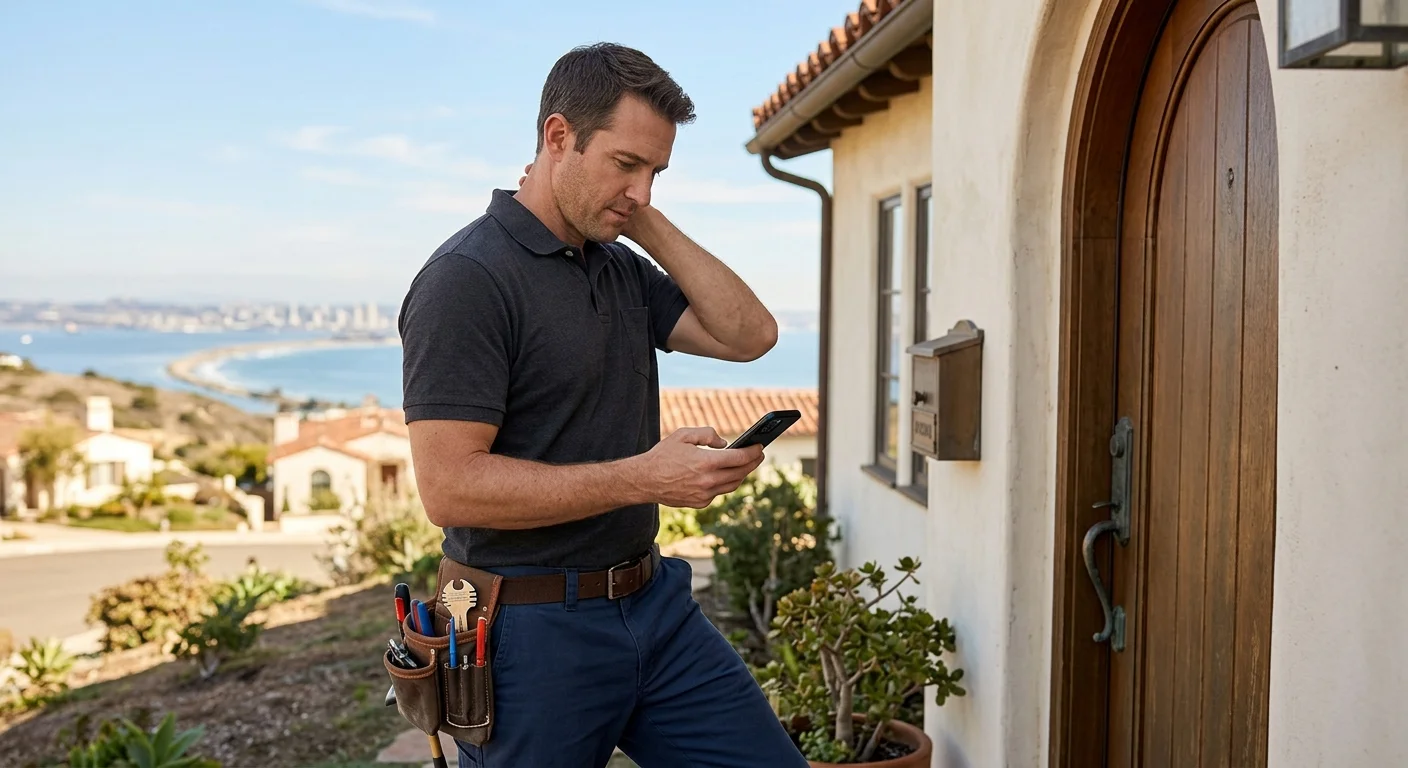
Confirm the address, entrance, and unit details
Start with the address where you’re physically standing. Read it from the building, lease, delivery app, or another reliable record. Don’t substitute a nearby business, intersection, or landmark for the actual property address.
Next, identify the exact locked entrance. It could be the front door, a side door, a detached unit, or one apartment inside a larger property. If there’s a unit number, include it. If several doors look alike, describe the one you’re authorized to enter.
Small details matter during a Point Loma home lockout. Note whether you can reach the door directly from a public walkway. Mention any gate, lobby door, call box, or garage entrance that comes first. The locksmith needs to understand where the private lock begins and whether another barrier blocks access.
Look at the lock without forcing it. Tell the professional whether the key is lost, inside, broken, or simply not turning. If part of a key is visible, leave it alone. Don’t insert tools, glue, or another key beside it. That can change the condition before the locksmith examines it.
Also confirm that you’re at the correct property. A saved map pin or old delivery address can create confusion. This is especially important when a caller manages more than one residence or rental.
If these checks don’t restore access, our home lockout referral service can connect you with an independent local professional. Swift Key San Diego makes the match. The locksmith handles the work and confirms the service details directly with you.
Check authorized spare keys and property contacts
Check every authorized spare-key route before requesting lock work. Contact household members, the property owner, or another person who has permission to provide access. Keep the request limited to people connected with the property.
If you rent, review the contact information supplied by the property owner or manager. They may control spare keys, access procedures, or approval for changes. Swift Key San Diego can’t override a lease, building rule, or owner decision. A matched locksmith can only address the work that an authorized person approves.
Don’t rely on an unconfirmed memory of a hidden key. Check only places you’re allowed to access. Avoid climbing walls, entering neighboring property, or trying an unsecured window. A lockout doesn’t make a risky route safe or authorized.
If a friend or relative holds the spare, confirm that it matches the current lock. Don’t assume every old house key still applies. When several keys are available, label or separate them before testing. Stop if a key binds or requires force.
Vacation rentals and managed properties need extra care. Start with the host, manager, or contact named in your reservation materials. A locksmith doesn’t replace that person’s authority over the property. Ask the contact to explain what work, if any, they approve.
Our guide on who to call when you’re locked out covers the basic decision path. The main point is simple: exhaust authorized access before changing the lock’s condition.
Separate a private door from shared building access
A private residence door and a shared entrance aren’t the same request. The door to your unit may be yours to address. A lobby, vehicle gate, common garage, or shared courtyard entrance may fall under property management.
Describe each barrier separately. For example, tell the locksmith that you can reach the building but not your unit. If you can’t pass the outer gate, say that before arranging the referral. Don’t describe the whole situation as one locked front door.
The approved source record doesn’t establish a Point Loma-wide rule for shared entrances. No single neighborhood policy can be confirmed for every apartment, condominium, rental, or managed property. Check your lease, reservation details, association instructions, or property contact for the rule that applies to your building.
A locksmith can’t grant permission to enter shared property. If management controls the first door, contact management for access or approval. Written confirmation can also prevent confusion about which lock the professional may inspect.
Don’t ask the locksmith to follow another resident through a gate. Don’t borrow a credential that you aren’t authorized to use. Those actions don’t establish permission for work on the locked unit.
When the problem involves a private door beyond a shared entrance, explain how the professional can legally reach it. Give the name of the person providing access to the common area. If that person won’t be present, ask the locksmith what confirmation they’ll accept before arranging the visit.
For an urgent lock problem that isn’t a fire, medical emergency, or other immediate threat, our emergency locksmith referral page explains the matching service. It doesn’t promise an arrival time or override property procedures.
Gather identification and proof of access
Gather identification before the locksmith begins. The professional needs enough information to decide whether you’re authorized to enter. The exact documents accepted can vary, and no universal document list is confirmed in the approved source record. Ask the independent locksmith what they require.
A photo ID showing the locked address may help. If your ID lists another address, gather supporting records you already have. That might include a lease, reservation confirmation, utility account, or message from the owner. These are examples, not guaranteed substitutes. The locksmith decides what proof is acceptable.
If your identification is locked inside, say so during the first conversation. Explain what you can show now and what remains indoors. Don’t claim documents exist if they don’t. Clear information allows the professional to explain the next step.
Someone else may need to confirm your access. Have that person available by phone or in person. If you’re helping a relative, tenant, guest, or customer, explain your connection to the property. Permission to place a call isn’t always the same as permission to approve lock work.
You should also identify the matched professional. California locksmith licensing is handled by the Bureau of Security and Investigative Services. You can check a locksmith company or individual through the state’s license search. Ask for the name you’ll need before authorizing work.
Our guide to locksmith identification and proof requirements gives more preparation steps. It doesn’t replace the matched locksmith’s own verification process. Confirm their requirements directly before work starts.
Confirm the entry scope before work begins
Agree on the exact request before the locksmith touches the door. Point out the approved entrance and describe the immediate goal. If you only need lawful access to the home, say that. Don’t approve changes to another door unless you understand and authorize them separately.
Ask the independent locksmith what approach they recommend. Ask how it may affect the lock, door, and existing keys. Don’t treat damage-free entry as guaranteed. The professional should explain the proposed work based on the lock they can inspect.
Confirm the price directly with that locksmith before approving work. Swift Key San Diego doesn’t set prices, collect payment for the locksmith, or promise a particular rate. The customer contracts with and pays the independent professional directly.
If the professional discovers another problem, pause before expanding the scope. Entry, hardware changes, and additional key work are separate decisions. Ask what changed, what’s optional, and what requires authorization from an owner or manager.
Get clarity about any warranty from the professional providing the work. Swift Key San Diego doesn’t issue warranties. Don’t assume a warranty exists or covers a particular result unless the locksmith explains it.
Keep shared access outside the approved scope unless the responsible property contact authorizes it. The locksmith shouldn’t be asked to defeat a lobby rule, managed gate, or another person’s lock. A Point Loma locksmith request should stay tied to the specific private entrance you’re permitted to address.
Before agreeing, repeat the property address, door, requested result, price, and payer. That final check catches misunderstandings while they’re still easy to correct.
When to call us
Call after authorized spare access and property contacts can’t resolve the lockout. A licensed locksmith pro can then assess the approved private entrance and explain the available work.
Call us at (858) 400-4082 and we’ll connect you with a licensed local locksmith.