Some office and building keys can be duplicated, but authorization and the key system determine the answer. If a kiosk rejects the key, don’t keep trying random counters. Start with the property owner or manager, then have a licensed locksmith inspect the exact key.
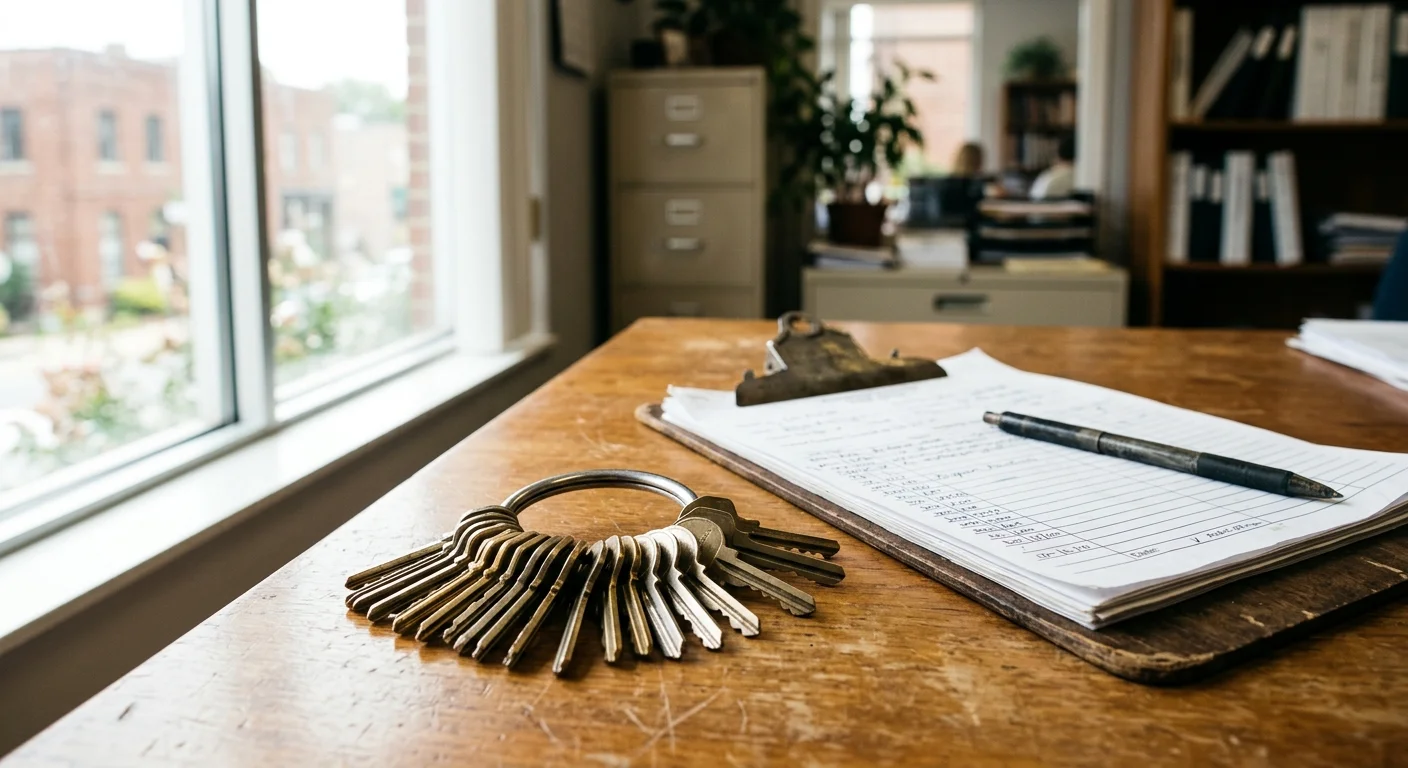
Why an office key often will not copy at a kiosk
A kiosk refusal doesn’t explain the underlying problem. The machine may not recognize the key, the required blank may not be offered there, or the location may have its own copying policy. None of those answers confirms whether an authorized copy can be made elsewhere.
Look closely at the entire key before making another trip. Record every word, letter, number, and logo stamped on it. Photograph both sides without posting the images publicly. Note which door it opens, but don’t attach the building address to a loose key or public photo.
Next, ask the property manager whether that door belongs to the tenant, building owner, or a shared access system. An office door, exterior entrance, parking gate, and utility room may follow different authorization records. The person who issued the key is usually the most useful starting contact.
When you need to copy building keys, separate three questions:
- Who controls access to that door?
- What exact key system does the building use?
- What proof does the approved key source require?
A licensed locksmith can inspect the physical key and explain the available path. That might involve a normal duplicate, confirmation from the system’s approved source, or a conversation about changing access.
Our general key duplication service page explains how we connect callers with local professionals. Residential keys have different concerns, so see the San Diego apartment key guide for that topic.
What DO NOT DUPLICATE and restricted keyways actually mean
“DO NOT DUPLICATE” is a policy marking stamped on a key. The phrase isn’t a patent number, and it doesn’t identify a manufacturer restriction by itself. It tells you to pause and confirm authorization instead of treating the key like an ordinary spare.
The approved research for this site didn’t confirm a California statute deciding whether that marking alone has legal force. We therefore can’t state that every marked key is legally forbidden to copy. We also can’t state that the marking can always be ignored. The property owner or manager should confirm the building’s policy.
A genuine restricted keyway is a different issue. Its copying process depends on controls tied to that exact system, not merely the words stamped on the key’s head. The manufacturer or an authorized key source should confirm the current procedure for that specific system.
“High security key copy” is also too broad to settle the question. It may be a search phrase, a product description, or wording someone uses for a controlled building key. Don’t assume that phrase identifies the keyway. Use the exact markings and building records.
The same caution applies when searching for a multi lock key copy. Similar-looking names can refer to different products or systems. Don’t order a blank based on appearance alone. Ask the manager for the system name and approved duplication process.
The safe answer is procedural. Confirm the decision-maker, identify the exact system, and follow that system’s current authorization rules. This avoids turning an unverified legal assumption into a building access problem.
Who has to authorize a copy in a leased building
The building owner or property manager sets authorization for a leased building’s keys. Swift Key San Diego doesn’t grant that permission. The matched locksmith also shouldn’t be asked to guess who controls the door.
Start with the person or office listed in your lease materials or access instructions. Ask one direct question: “Who may authorize another key for this exact door?” Then request the answer in writing. A vague approval to make “an office key” may not cover the exterior entrance, elevator controls, parking areas, or shared rooms.
Your employer may control an interior suite key while the property manager controls common entrances. Don’t assume permission for one door extends to another. Keep each key and door in the request clearly identified.
This matters across San Diego County’s varied commercial properties. A Mission Valley office suite, Kearny Mesa industrial unit, Chula Vista storefront, and Carlsbad professional office may have different management arrangements. Geography doesn’t determine authorization. The building’s own records do.
If you’re an employee, route the request through your supervisor or designated facilities contact. If you’re a tenant, contact the person named by the owner or manager. If you’re the owner, gather the system records before requesting copies.
Don’t hand an unidentified building key to another person for trial-and-error copying. Record who receives each authorized duplicate and which door it serves. If the manager can’t identify the key system, a licensed commercial locksmith can inspect the existing hardware and discuss the next step.
What a licensed locksmith asks for before cutting
Be ready to show why you’re authorized to request the key. The exact documents aren’t universal, so confirm them before visiting a locksmith or approved key source. A government-issued ID, company identification, manager email, signed authorization, lease contact, or system card may be relevant. None automatically replaces the building’s own approval.
Bring the original key when permitted. Clear photographs help with an initial discussion, but the professional may need to inspect the actual key. Include every visible marking. Explain which door it operates and whether the request involves a private suite or shared building access.
Also provide the property manager’s contact information. If authorization needs confirmation, incomplete names or forwarded text messages can slow the decision. A direct written record is easier for everyone to evaluate.
California’s statutory definition of locksmith has a narrow exemption for a person whose activities are limited to duplicating an existing key. That exemption doesn’t convert rekeying, lock modification, repair, or installation into simple duplication. Those services fall within the locksmith activities described in the state’s licensing rules.
BSIS, the Bureau of Security and Investigative Services, regulates locksmith licensing in California. You can check a company or professional through the state’s license search. Swift Key San Diego is a referral service, not a locksmith company. We match callers with licensed, independent local locksmith professionals.
For an office key tied to other doors or access changes, our commercial locksmith referral page is the better starting point. Describe the building and authorization situation clearly. The matched professional can then assess the actual system without relying on a kiosk message.
When a rekey or a master system beats more copies
Another duplicate makes sense when the current access plan still fits the business. The authorized person simply needs another approved key. More copies don’t solve uncertainty about lost keys, former occupants, or unclear access records.
Consider rekeying when an existing key can’t be accounted for or access needs have changed. Rekeying changes the lock so its previous key no longer operates it. The owner or manager still needs to approve the scope, especially in a leased building or shared system.
Tenant turnover is a common decision point. Don’t automatically copy the departing tenant’s key for the next occupant. Review the doors, authorized users, and property records first. Our guide to commercial lock rekeying after tenant turnover explains the planning questions to raise with a licensed professional.
A master key system may fit a building where different roles need different door access. The planning matters more than the number of keys. List each exterior entrance, private office, storage room, maintenance area, and shared door. Then list which role needs access to each one.
Don’t design the plan around employee names alone. Roles can make future reviews clearer, such as owner, property manager, office manager, maintenance contact, or tenant. A licensed locksmith can inspect the hardware and discuss whether the current system can support the intended access plan. See our business master key system guide before that conversation.
Neither option should be chosen from a key photo alone. The professional needs the actual locks, key system, authorization, and access goals. Ask for the proposed scope in writing before approving work. Confirm pricing, product restrictions, and any warranty directly with the independent locksmith, since Swift Key San Diego doesn’t set those terms.
When to call us
Restricted keys, uncertain authorization, lost keys, and changing staff can turn a copy request into a broader access decision. That’s when the work needs a licensed locksmith who can inspect the actual lock and key system. Call us at (858) 400-4082 and we’ll connect you with a licensed local locksmith.