A locked door can turn a routine Chula Vista arrival into confusion. Before contacting a locksmith, confirm where you are, which entrance is locked, and who controls it. Those details help the independent locksmith evaluate the correct request.
Confirm the address, entrance, and unit
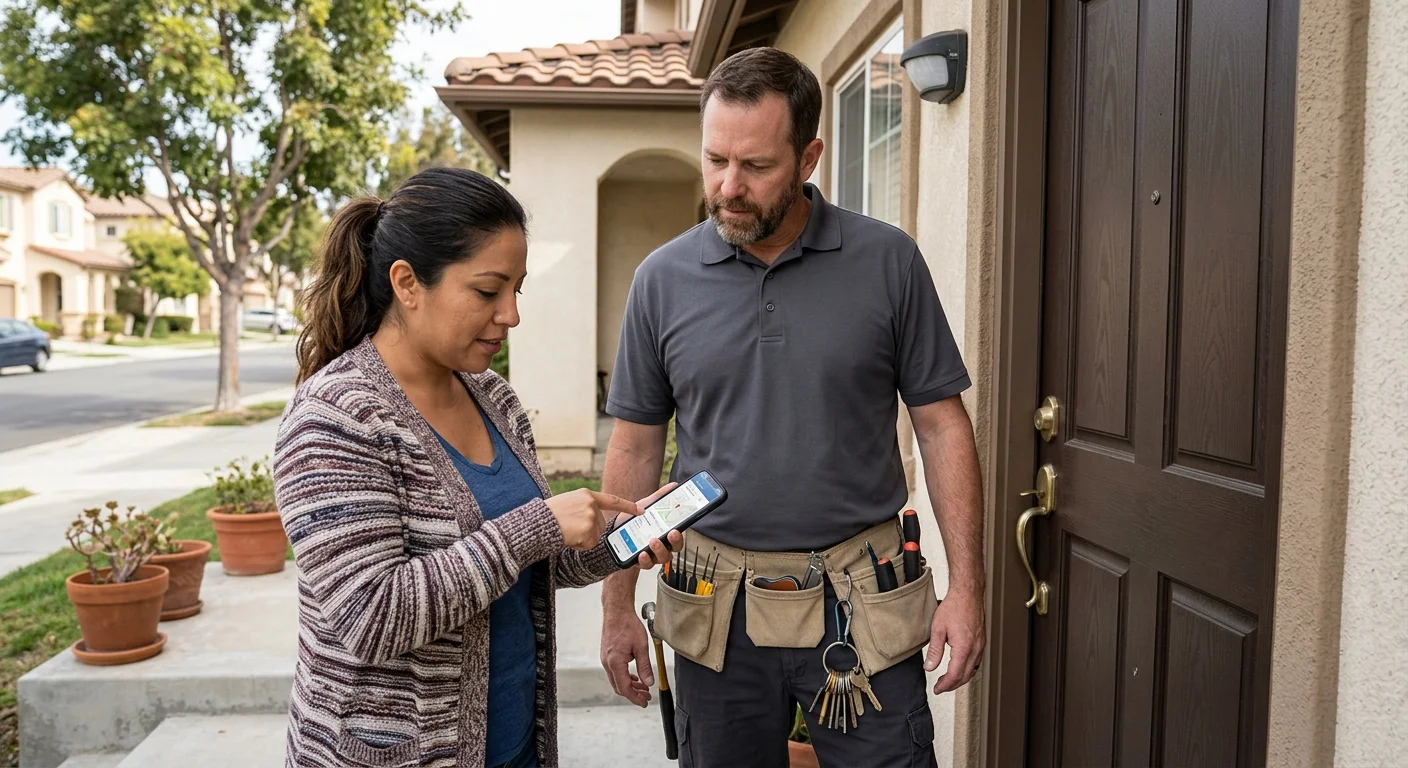
Start with the full Chula Vista street address and ZIP code. Don’t rely only on a dropped map pin. Read the address from a lease, utility account, delivery record, or another reliable document.
Next, identify the exact entrance. A property may have a front door, side door, garage entry, courtyard gate, or separate unit entrance. Saying “the front door” isn’t enough when several doors face the street or parking area.
For a condo, apartment, or divided house, include the unit number. Also explain how the locksmith should recognize the correct building and entrance. Use visible details that don’t reveal sensitive information publicly. For example, you can describe the entrance location during the call.
Mention every access barrier between the street and your door. That could include a vehicle gate, pedestrian gate, lobby door, elevator restriction, or call box. If someone else controls that barrier, say so before the locksmith comes.
Keep your phone available after making the request. The independent professional may need clarification about the address or door. Don’t ask a neighbor to direct someone toward an unspecified unit.
Our home lockout referral service can connect you with a licensed local locksmith. Swift Key San Diego provides the referral. The independent locksmith confirms authorization, discusses the requested work, and performs the service.
If you’re comparing broader options for a locksmith near you in Chula Vista, use the same address details. Clear information makes it easier to discuss the actual lockout instead of a different entrance or property.
Check authorized spare keys and property contacts
A spare key may solve the lockout without work on the door. Check whether an authorized person can provide one. That person might be a household member, property owner, leasing contact, or approved key holder.
Don’t assume a hidden key is still where you remember it. Don’t search areas you aren’t authorized to enter. Instead, contact the person who placed or controls the spare.
Renters should review the contact information already provided by their property. Ask whether the property has a lockout process or an authorized key contact. Swift Key San Diego can’t approve access for an owner, landlord, association, or manager.
If you’re staying as a guest, contact the resident who gave you access. A message thread can help explain why you’re at the home, but the matched locksmith decides what documentation is acceptable. The resident may also know about another authorized entrance.
Short-term rental guests should use the contact method supplied with the booking. Confirm the property address and unit before requesting outside help. Don’t treat a neighboring unit, shared gate, or owner-controlled lock as part of your private access.
If you live in an apartment, our guide to an apartment lockout in San Diego covers the same decision in more detail. The key point is simple: separate the door you occupy from any access controlled by the property.
Avoid forcing a window, screen, gate, or door while waiting for an answer. That can turn one access problem into several. Focus on reaching an authorized key holder or arranging a licensed locksmith referral.
Separate a private door from shared access
Tell the locksmith which lock belongs to your residence. Then identify any shared barrier that stands before it. These are separate access questions, even when both prevent you from getting inside.
A private front door may be under the resident’s control. A lobby, community gate, hallway door, or shared garage entrance may be controlled by another party. Don’t assume permission for one door covers the other.
If the locksmith can reach your private entrance without opening shared access, explain that route. If the shared barrier blocks all entry, contact whoever manages it. That person can explain the property’s access process and authorize any action within their control.
Be precise about what happened. Say whether the key is missing, inside the residence, turning without opening, or stuck in the lock. Don’t remove a stuck key with extra force. Simply describe its position and stop manipulating it.
Also mention whether another person remains inside. They may be able to verify the correct unit, open another authorized entrance, or speak with the locksmith. Don’t ask them to attempt an unsafe exit.
This distinction matters when requesting an emergency locksmith referral. Swift Key San Diego can connect you with an independent licensed professional, but it can’t grant property access. The locksmith still confirms authorization and defines what work can proceed.
Keep the request narrow. If your private door is the problem, don’t ask for unrelated shared locks to be opened. If property-controlled access is the only barrier, speak with the responsible property contact before approving locksmith work.
Gather identity and access documentation
Collect documents before the locksmith arrives. Start with a government-issued photo ID if you have it. Then find something connecting you to the Chula Vista address, such as a lease, account record, or other property document.
Your identification may be locked inside. If so, say that during the first conversation. Explain what you can access now and what remains indoors. Ask the independent locksmith what information will be needed before work begins.
A digital document may help explain your connection to the property. Keep the original source available rather than sharing a cropped image with missing names or addresses. The locksmith decides whether the available proof supports the request.
Renters can contact the person or office responsible for the property. Owners can gather records showing their connection to the address. Guests should reach the resident or authorized host. Don’t claim ownership, tenancy, or permission that you can’t document.
For identity and access questions, read our guide to locksmith identification requirements. It can help you organize the conversation, although the matched professional still makes the authorization decision.
You can also verify a locksmith company or employee through the California Department of Consumer Affairs license search. California locksmith licensing is handled by the Bureau of Security and Investigative Services. Swift Key San Diego isn’t a locksmith company and holds no locksmith license. We match callers with licensed independent local locksmith professionals.
Keep sensitive documents private until they’re requested for a clear purpose. Don’t post identity records, access codes, or proof of residence in a public message or review.
Confirm the locksmith’s approved scope
Before any work starts, confirm which door and lock are included. Point to the exact entrance and repeat the unit number. If multiple locks are present, identify the one involved in the lockout.
Explain the result you need. For example, you may only need authorized entry through a residential door. Don’t assume the request includes replacement hardware, rekeying, repairs, or work on another lock.
Ask the independent locksmith to explain the proposed method and scope. If the scope changes after the lock is inspected, pause and review the new work. You should understand which lock will be handled and what condition it may be left in.
Discuss pricing directly with the matched professional before approving work. Swift Key San Diego doesn’t set prices, collect payment for the locksmith, or promise fee waivers. The customer contracts with and pays the independent locksmith directly.
Ask who provides any warranty before relying on one. Swift Key San Diego doesn’t warranty locksmith work. Any warranty terms must come from the professional performing the service.
Don’t approve work on a shared gate, lobby door, association-controlled lock, or neighboring unit without proper authority. A locksmith referral doesn’t replace permission from the person or entity controlling that access.
End by confirming your contact name, the Chula Vista address, the exact entrance, and the agreed scope. Keep any written approval or service record the professional provides. A clear record reduces confusion if the request changes while the locksmith is evaluating the door.
When to call us
Call when authorized entry needs a licensed locksmith and spare-key options aren’t available. We’ll provide a referral, while the independent professional confirms authorization, scope, pricing, and any work terms.
Call us at (858) 400-4082 and we’ll connect you with a licensed local locksmith.